Undergraduate Research as a Gateway to Collaborative Healthcare
LAWRENCE - Undergraduate research at the University of Kansas School of Pharmacy is increasingly serving as a training ground for cross-disciplinary collaboration, preparing students for the team-based realities of modern healthcare.
Nationally, healthcare education has shifted toward interprofessional models, recognizing that patient outcomes depend not on isolated expertise but coordinated systems of care. For some undergraduate students at KU, early research experiences are becoming an entry point into that collaborative framework.
For students like George Crawford IV, a chemistry and microbiology major from Ellis, Kansas, research is more than a graduation requirement. His decision to work in Mark Farrell’s lab reflects deliberate steps toward bridging scientific discovery.
Drawn to KU’s strong pre-med pathway, Crawford arrived from a town of 1700 people with deeply personal motivation. After losing his father to cancer at 14, he knew he wanted to pursue medicine. His experience with undergraduate research in medicinal chemistry has reshaped how he sees the path to get there.
“I didn’t know very much about the School of Pharmacy within chemistry,” he said, reflecting that it was only after having Farrell guest lecture that he realized there were opportunities for his capstone research outside of the lab. This lecture affirmed that the overlap between chemistry and human health is tangible and impactful.
Rather than completing his capstone research in a traditional chemistry lab, Crawford elected to complete his with Farrell in the Department of Medicinal Chemistry of the KU School of Pharmacy; an environment where focus extends beyond molecules to patient impact.
Traditional chemistry emphasizes theory, physical chemistry and mathematical modeling, which makes drug discovery possible. Medicinal chemistry builds upon that groundwork, sitting at the intersection of chemistry, biology and patient care, and asking the question of how this discovery can change someone’s life.
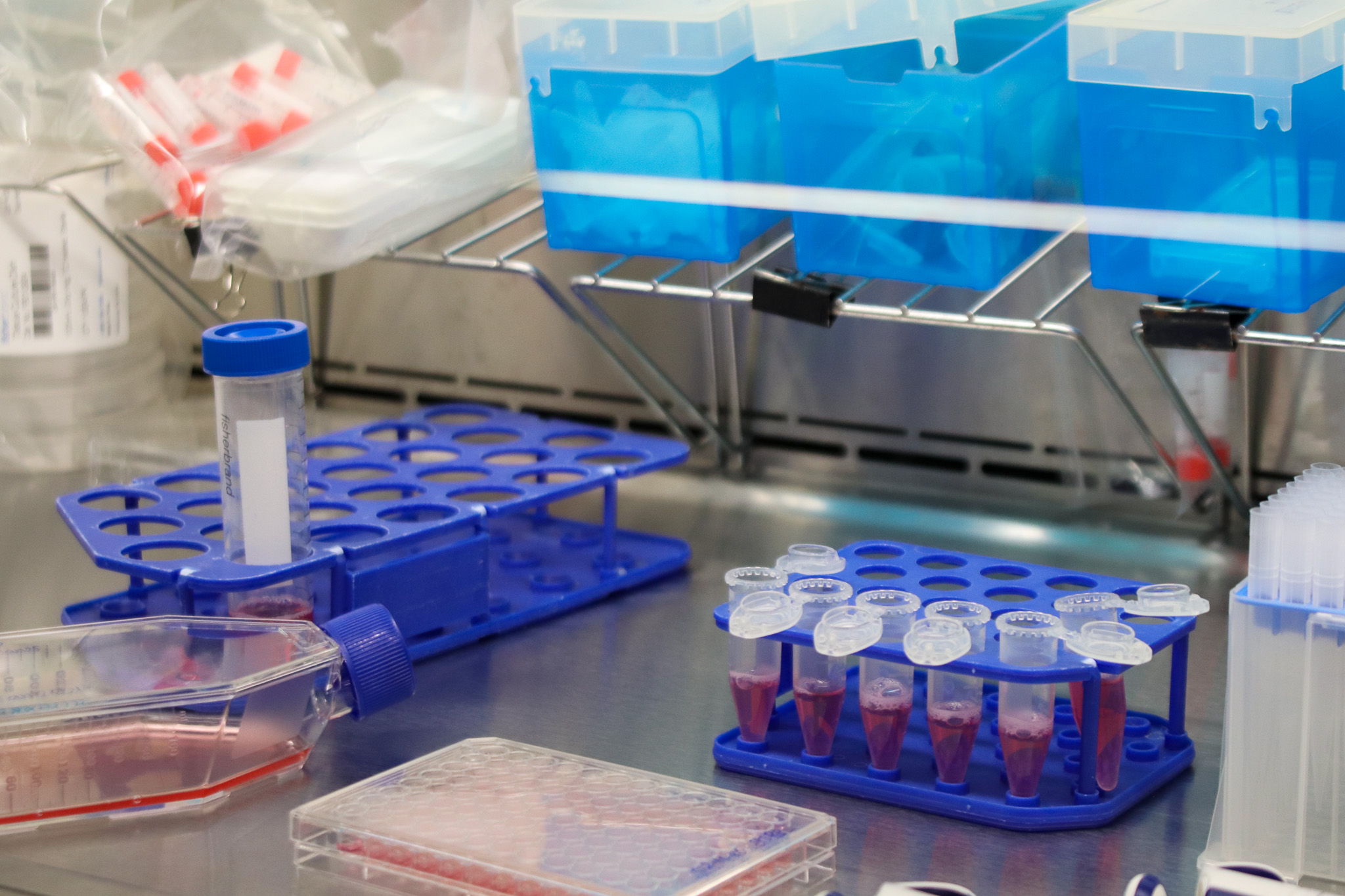
For Crawford, that shift expanded his understanding of what a career in science could look like.
“There are more opportunities out there than just chemistry, or just biology, or just medical school,” he said.
Crawford said the opportunity to explore medicinal chemistry has exposed him the research physicians, pharmaceutical pathways and interdisciplinary collaboration that he had not previously considered.
Ben Mosier, from Manhattan, Kansas, another undergraduate studying chemistry and microbiology, found a similar bridge in Dr. Farrell’s lab. Interested in medicine and equally drawn to science, he sought out research that blended both worlds. “It [medicinal chemistry] kind of blended my interests,” he said.
Mosier is currently working on cancer immunotherapy research, designing molecules to enhance immune targeting of cancer cells. In this environment, theoretical knowledge becomes therapeutic possibility. “The more those departments collaborate together, I think that will improve the research and improve students’ education and understanding of research as a whole,” he said.
More than a résumé builder, this experience becomes training for team-based healthcare.
Modern healthcare increasingly depends on coordinated expertise. Physicians, pharmacists, researchers, nurses, and public health professionals operate within interconnected systems. Early exposure to interdisciplinary research allows students to begin navigating those dynamics before entering professional programs.
For Crawford, collaboration also resonates from a rural perspective. Growing up in a small Kansas community, he observed how pharmacists often serve as some of the most accessible healthcare providers.
“You see your local pharmacists more than you see physicians,” he said.
In communities like his, effective care often relies on professionals understanding one another’s roles.
Undergraduate research requires initiative, mentorship, and access to laboratory environments that support guided independence. For students who pursue it, the experience can extend beyond technical skill development and offers practice in navigating ambiguity, contributing to collaborative teams, and thinking across disciplinary boundaries.
Research helps students move beyond memorization and into application.
"In classes, you memorize a lot of knowledge, but applying it is a different thing entirely,” Mosier said.
Learning to solve real problems, navigate ambiguity, and collaborate builds the critical thinking required in any healthcare profession.
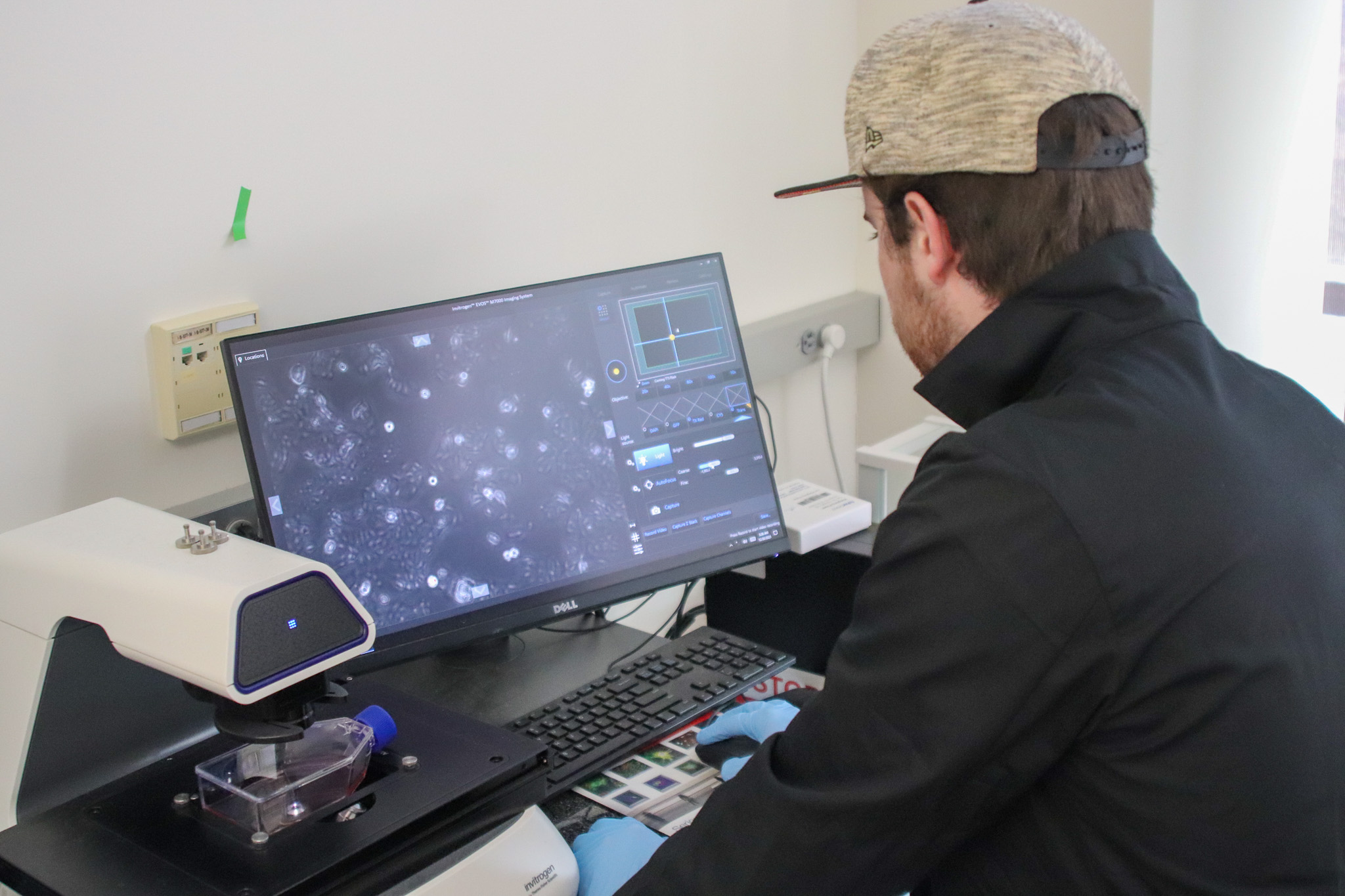
It also builds mentorship. Working alongside faculty and postdoctoral researchers, students gain confidence through guided independence and learn how collaborative research environments operate.
By encouraging undergraduate students to participate in research, they leave KU understanding that discovery is hardly in isolation. The medications patients take, the therapies that save lives, and the innovations that define standards of care are almost always the result of interdisciplinary partnership.
Mosier summarized the long-term impact: Research builds “critical thinking and complex thinking skills… which will make them overall better at their job and make the world a better place."
Through undergraduate research experiences, the School of Pharmacy contributes to a broader effort to prepare students not only for advanced study, but for participation in the collaborative systems that define contemporary healthcare.