The Interaction of Humanity and Chemistry
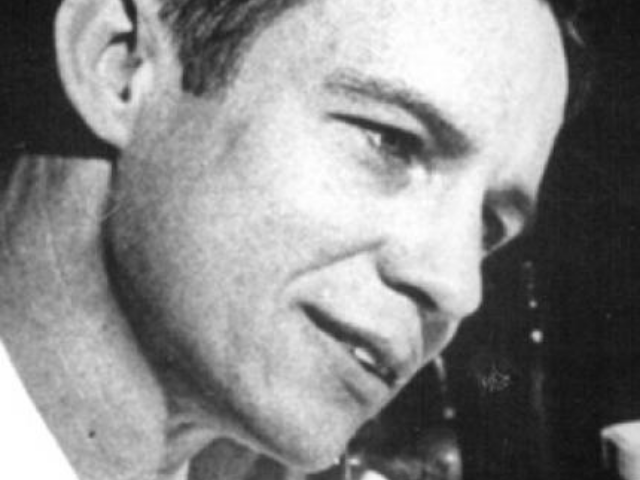
Humanity is the catalyst of science and a requirement of pharmacy. The story of scientists driven by curiosity, judgment, and care, has been obscured by a flattened stereotype of memorization and mechanical precision. It is true that the pharmacists of 2026 are exacting. Afterall, they are the guardians of dosage and protocol, working in the complex space between data and the patient bedside. This image is incomplete.
At the University of Kansas School of Pharmacy, the foundations of medicinal chemistry were laid by scientists who understood that precision alone is not enough. From the department’s earliest conception, medicinal chemistry at KU was shaped by mentors who opened their homes to students, chemists who argued passionately over ideas late into the night, and professors who believed that curiosity, judgment, and human care mattered just as much as technical skill. It was never just about the molecules.
The Department of Medicinal Chemistry was formally established in 1947. In the already destructive wake of World War II, diseases such as malaria, cancer, heart disease, and infection continued to devastate individuals, families, and communities worldwide, compounding the collective trauma of war. The chemists who built KU’s program understood that meaningful drug discovery required creativity as much as rigor, and mentorship as much as method. Their work was grounded in a clear conviction: good medicine comes from good scientists, and the best scientists are trained in environments where curiosity is encouraged and learning is shared.
One of the department’s earliest members, Joe Burckhalter, exemplified human-first research. Trained as both a chemist and a pharmacologist, Burckhalter advanced anti-malarial therapies and diagnostic tools that would go on to influence medicine worldwide. His legacy at KU rests as firmly in education as it does in innovation. He advocated for a doctoral program designed to produce scientists capable of independent, ethical thought. For Burckhalter, teaching was the purpose of the research itself, rather than a secondary obligation.
Under the leadership of Ed Smissman, the ethos of mentorship thrived. His arrival at KU in 1960 marked another pivotal turning point for the department. Smissman believed medicinal chemistry should be expansive, interdisciplinary, and collaborative. Verbiage like this may sound routine today but were far from standard at the time. He pushed intentionally for cross-departmental and cross-disciplinary partnerships, recognizing that scientific progress rarely happens in isolation. His lab culture was demanding and alive with discussion. He expected his students to work hard, think broadly, argue intelligently, and hold themselves to the standard of future colleagues rather than subordinates.
Smissman and his wife, Clare, carried the collaborative philosophy beyond his lab walls; their home was a common gathering place for students and faculty. Despite blurred professional boundaries, it fostered trust, encouraged casual intellectual openness, and cultivated a sense of shared purpose. It demonstrated a core belief that science is not confined to closed doors and solitary work. Science is lived, debated, challenged, laughed over, and ultimately carried forward by people.
Medicinal chemistry continues to advance by incorporating new technologies, methodologies, and scientific questions. The throughline remains unmistakable. The founders of KU’s programming did more than design drugs and publish papers. They articulated that practicing science must be grounded in rigor without coldness, precision without detachment, and excellence without ego.
The history of medicinal chemistry at KU is ultimately a story about why science needs humanity. It is a story of mentors who cared deeply, chemists who argued fiercely, and a department built on the understanding that the most enduring discoveries are made, and sustained, by people who bring their full humanity to the work.