Chemistry Powering the Next Generation of Peptide Medicines
Peptides, short chains of amino acids, have been transforming medicine for over a century. The first widely used peptide drug, insulin, revolutionized diabetes treatment, proving that these tiny molecules could save lives. Today, peptides remain at the forefront of drug development. They precisely target disease, reduce side effects, and address complex health challenges, from viral infections to stroke, and now, metabolic disorders like visceral fat accumulation.
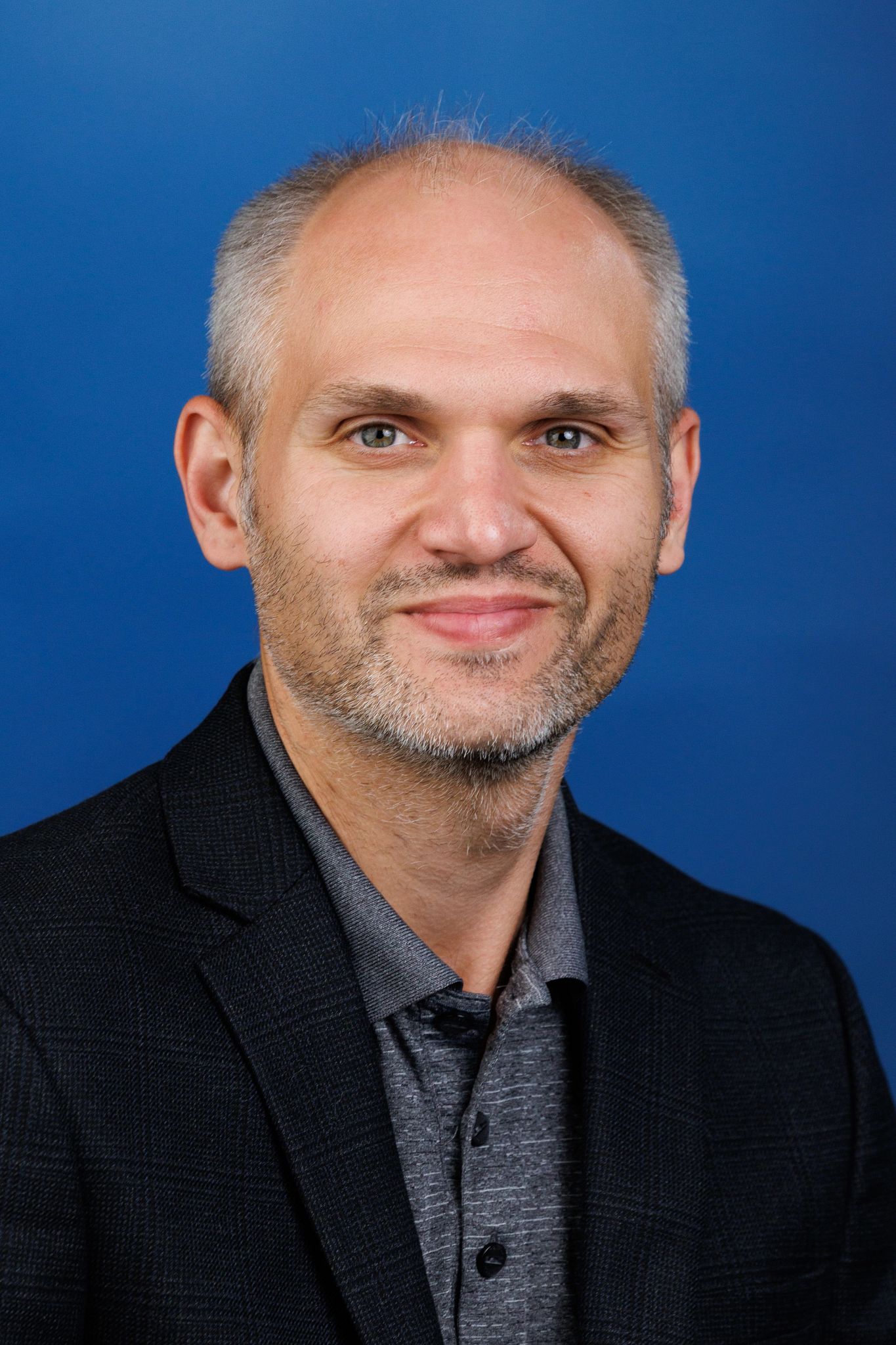
At the University of Kansas, Dr. Steven Bloom, Associate Professor of Medicinal Chemistry, is leading the next wave of peptide innovation. His NIH-funded research focuses on the chemistry that makes peptide drug discovery faster and more efficient. Using a special amino acid called dehydroalanine (Dha), his team can insert a single residue into a peptide and transform it into dozens of different variants. This approach accelerates discovery and helps identify the most promising peptides for potential therapies that improve human health.
Dr. Bloom’s chemical platform allows researchers to design peptides that could help regulate metabolism more precisely than existing treatments. It turns complex molecules into therapies that tackle one of today’s most pressing challenges.
This work isn’t just advancing science; it’s advancing Kansan healthcare. By training graduate students, postdocs, and undergraduates in cutting-edge chemistry, Dr. Bloom’s lab strengthens the state’s biomedical expertise and contributes to the growing pipeline of life-changing therapies developed right here in Kansas. His lab has already applied these methods to create peptides with potential applications in antiviral treatments, vasodilation, ischemic stroke therapy, and weight management.
From insulin to next-generation therapeutics, Dr. Bloom’s research demonstrates how KU’s commitment to innovation and federally funded science can transform complex chemistry into real-world medicines, impacting patients, students, and communities alike.
For more information on the research that Dr. Bloom is doing, check out the Bloom Lab Group.