Advancing Alzheimer’s Researchers from Molecules to Memory
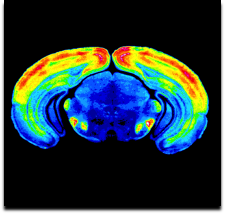
LAWRENCE — Alzheimer’s disease affects millions of people worldwide, yet scientists are still working to understand exactly what causes the progressive loss of memory and cognitive function that defines the disease. At the University of Kansas School of Pharmacy, researchers are attacking that challenge from multiple directions, studying everything from cellular damage and aging to neural circuits and memory formation.
The Department of Pharmacology & Toxicology is home to several faculty members whose research addresses Alzheimer’s disease and related neurodegenerative disorders. Among them are Dr. Jai Subramanian, who investigates how the brain forms, stores and loses memories, and Dr. Jackob Moskovitz, who studies the molecular damage that accumulates during aging and contributes to neurodegeneration. Their work, alongside Alzheimer’s disease (AD)-related research led by faculty including Dr. Jesse Wiley and Dr. Liqin Zhao, reflects the breadth of efforts underway at KU to understand and combat the disease.
Subramanian’s research focuses on synaptic plasticity, the ability of connections between brain cells, known as synapses, to change over time. Scientists believe these changes are the biological foundation of learning and memory. His lab seeks to understand how neurons reorganize their connections as memories are formed and what happens when those processes break down in diseases such as AD.
A major question driving the research is why the brains of AD patients lose synapses; a change strongly associated with cognitive decline. To find answers, Subramanian’s team uses advanced imaging technologies that allow researchers to track individual neurons and synapses in living animals over days, weeks and months. By using fluorescent labeling and multi-photon microscopy, the lab can watch neural circuits change in real time rather than relying on static snapshots of brain tissue.
The lab has also uncovered evidence that abnormal neural activity may contribute to memory problems. In AD models, some neurons become hyperactive and less selective, responding to multiple stimuli that normally would activate distinct groups of cells. That interference may disrupt the brain’s ability to form and store new memories, suggesting that memory mechanisms may remain intact early in the disease but become overwhelmed by abnormal activity patterns.
While Subramanian studies the disease at the level of neural circuits and behavior, Moskovitz examines Alzheimer’s at the molecular level.
For decades, Moskovitz has investigated oxidative stress, a process in which harmful chemical reactions damage proteins and other cellular components over time. His work has focused on the methionine sulfoxide reductase (MSR) system, which helps cells repair oxidative damage and maintain normal protein function. Researchers increasingly recognize oxidative stress as an important contributor to aging and age-related diseases, including AD.
Moskovitz’s research has also moved toward potential therapeutic approaches. In 2022, he and collaborators published findings describing an experimental immunization strategy designed to target pathological processes associated with Alzheimer’s disease. They showed that AD- model mice that were immunized with methionine-sulfoxide rich protein (antigen) at young mature age, they were protected against the appearance of AD-related phenotypes. Current studies are evaluating whether this approach can slow the disease progression, after phenotypes have already begun, while evaluating its safety profile.
Unlike some existing therapies that rely on delivering laboratory-produced antibodies, the experimental approach aims to stimulate the body’s own immune system to generate antibodies against methionine-sulfoxide containing extracellular proteins that could help clear them from the brain (e.g., toxic methionine-sulfoxide containing beta amyloid (the hallmark of AD)) . Moskovitz hopes that this immunization strategy could eventually provide a longer lasting and potentially more accessible approach for combating AD.
Although their research programs operate at different levels of biology, both scientists are pursuing the same goal: understanding the mechanisms that drive AD and identifying opportunities for intervention.
“The brain is one of the most complex systems known to mankind,” Subramanian said, explaining the motivation behind his work to uncover the biological rules underlying learning and memory.
Subramanian’s lab has several graduate students and a postdoc who contribute to his research: Julia Doderer, Nick Pritchett, Asma Albeladi, Nasir Danmusa, and Dr. Suraj Niraula.
Together with colleagues including Wiley and Zhao, the work of Subramanian and Moskovitz demonstrates the Department of Pharmacology & Toxicology’s comprehensive approach to Alzheimer’s research. From investigating risk factors and disease mechanisms to studying neural circuitry, aging biology and potential treatments, KU School of Pharmacy researchers are contributing to a growing effort to better understand, and ultimately combat, one of the world’s most challenging diseases.